Root Canal Treatment/ Endodontics
Welcoming New Patients
At our family friendly general and specialist dental practice in Harpenden, our team of highly experienced practitioners offer dental treatment across the range of specialties. We use the latest techniques and technology to offer state of the art dental care in a relaxing and calm environment.
Oral Health
ROOT CANAL TREATMENT/ ENDODONTICS
The inside of a root contains a nerve and blood supply. Dental decay or trauma can cause the nerve and blood supply inside the root canals of a tooth to die. This can be very painful and is referred to as irreversible pulpitis. The root canals can then become infected, which can lead to acute inflammation around the tips of the root. This is often very painful and can result in a dental abscess.
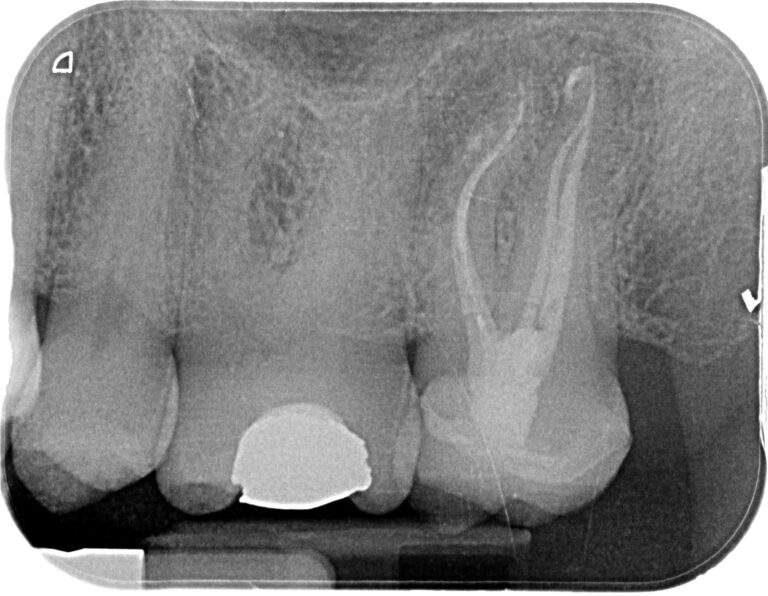
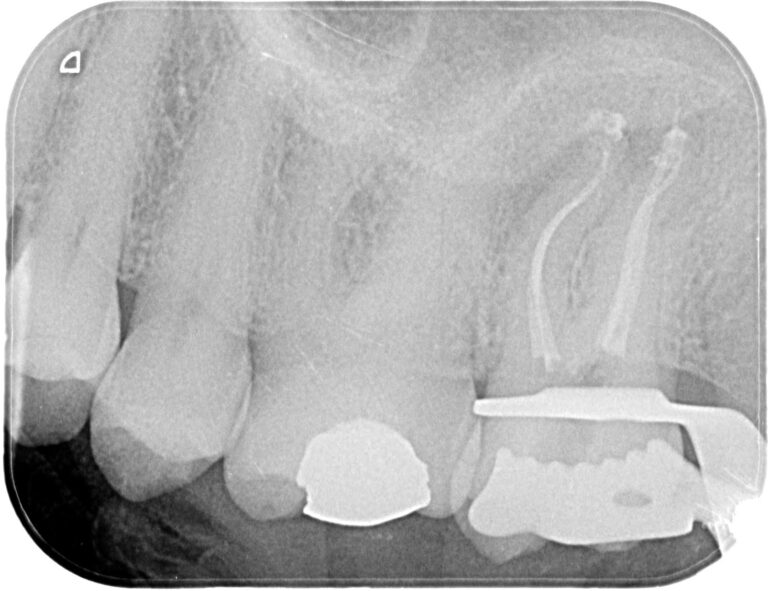
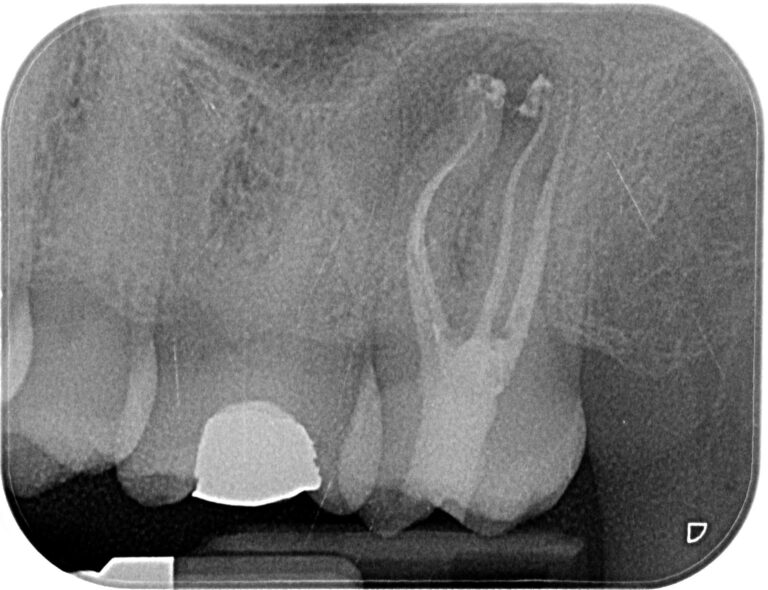
Root canal treatment involves removal of the inflamed nerve tissue and bacteria from with inside the root canals. The canals are then sealed with an anti-bacterial sealer to prevent regrowth of bacteria. This is to save the tooth and to relieve any dental pain and inflammation associated with the inside of the root canals and around the root tips.
For more information about root canal treatment please feel free to contact the practice.
Why have I been referred for this?


Root canal anatomy is often very complex. So that the best possible result is achieved and to give your tooth the best chance of being saved, general dentists may refer you to a specialist endodontist for this treatment. A specialist endodontist will have a high level of expertise in this field and will also use specialised equipment to help treat complex cases e.g. they will routinely use a dental microscope to help them see and treat the root canals inside your tooth.
Is root canal treatment painful?
Root canal treatment is generally a pain-free procedure. After the anaesthetic has worn off, the tooth may be uncomfortable for a short period and pain relief may be required.
Will my treatment be carried out over 1 or more visits?
The majority of the time, root canal treatments will be carried out in one visit. There are specific occasions where 2 visits may be required but this is not normally the case. There is generally no additional benefit in terms of success to carrying out a root canal treatment over 2 visits.
How do you assess the anatomy prior to my treatment?
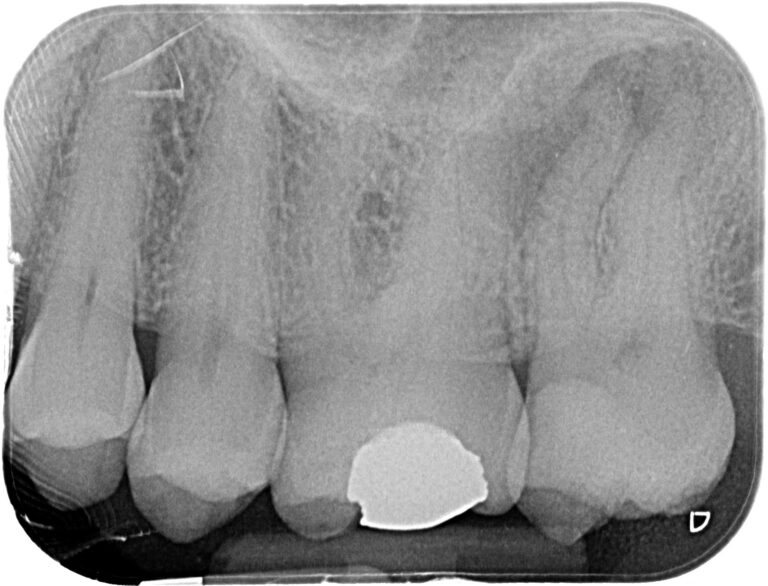
A 3D scan also known as a CBCT scan will be taken of your tooth prior to the root canal treatment. This is so the specialist endodontist can assess the anatomy of the tooth accurately prior to starting the procedure. This will help the endodontist be as conservative as possible when accessing into the root canals.
Can you describe the procedure a little more?
To begin with you will have a local anaesthetic. Following this a rubber dam will be placed over you tooth. This is a safety device which also helps isolate the tooth to prevent it from becoming reinfected once the disinfection process has begun. Following placement of the rubber dam, the canals will be accessed, prepared with a combination of hand and rotary files, disinfected and dried. Once dry, the canals will then be sealed with an antibacterial sealer. Following this a filling will be placed into the access cavity of the tooth.
What happens after my root canal treatment appointment?
Following your treatment, the endodontist will write back to your dentist detailing the work that has taken place. Your dentist will then put a crown on the root treated tooth (if needed). The purpose of the crown or onlay, placed by your dentist, is to help make the tooth more structurally robust, so that you can chew confidently and without discomfort again.
How will I know if my root canal treatment has worked?
There are various methods to assess a positive outcome following a root canal treatment. These include an absence of symptoms and an absence of signs of infection inside your mouth e.g. an absence of swelling. However both of these methods are subjective. The most objective method to assess outcome involves rescanning your tooth again, either with a 2D or 3D scan after a period of 6 to 12 months. The purpose of this is to see if the bone has regenerated around the root tips.